
Sliding Vs Hinged Wardrobe Doors: Which Is Better For Your Bedroom?

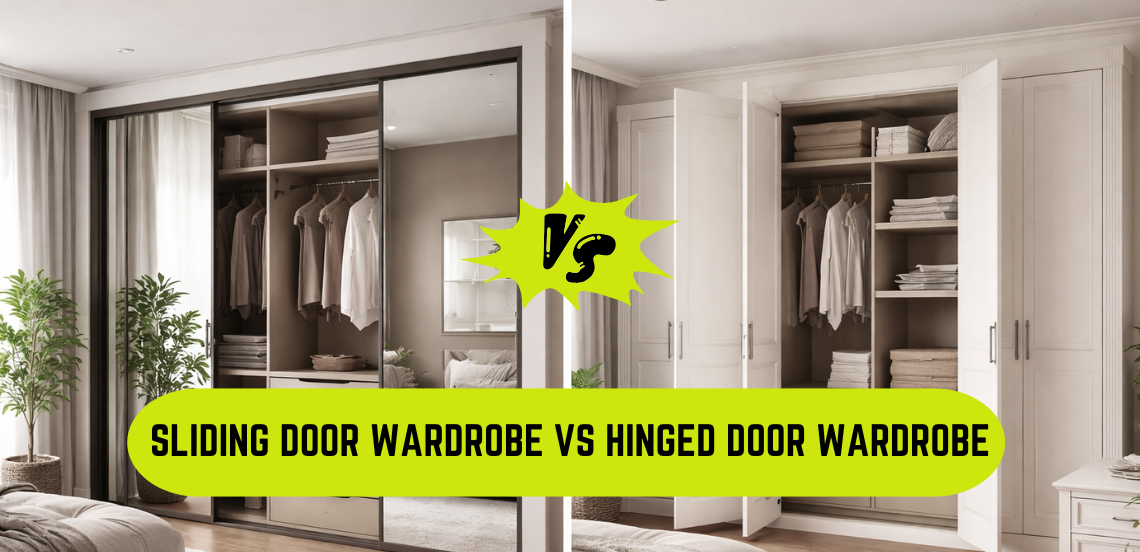
Choosing between sliding and hinged wardrobe doors is one of the most important decisions when planning a bedroom wardrobe. Both styles can look beautiful, both can be customised, and both can work well in Sydney homes. The right choice depends on your room size, storage needs, design style and how you use the wardrobe every day.
Sliding wardrobe doors are often preferred for compact bedrooms, apartments and modern interiors because they do not need extra space to open. Hinged wardrobe doors suit rooms with more clearance and can provide full access to the wardrobe interior at once.
This guide compares sliding vs hinged wardrobe doors so you can decide which option is better for your bedroom.
What Is A Sliding Door Wardrobe?
A sliding door wardrobe uses doors that move horizontally along a track. Instead of opening out into the bedroom, the doors glide from side to side.
This makes sliding door wardrobes a practical option for rooms where space is limited. They can be designed with mirror panels, glass, timber-look finishes, matte surfaces or a combination of materials.
Sliding doors are commonly used in modern bedrooms because they create a clean, streamlined appearance. They can also make a bedroom feel more open when mirror or glass finishes are used.
What Is A Hinged Door Wardrobe?
A hinged wardrobe uses doors that swing outward from the frame. This is the more traditional wardrobe door style and is still a strong option for many bedrooms.
Hinged wardrobes can work well when there is enough clearance in front of the wardrobe. They allow you to open multiple doors at once, which can make it easier to see the full wardrobe interior.
Many built-in wardrobes use hinged doors because they can be tailored to the wall space, room style and internal storage requirements. Hinged doors can suit classic, contemporary and luxury bedroom interiors.
Sliding Vs Hinged Wardrobe Doors: Quick Comparison
| Feature | Sliding Wardrobe Doors | Hinged Wardrobe Doors |
| Best For | Small bedrooms, apartments and modern rooms | Larger bedrooms and traditional interiors |
| Door Movement | Slides sideways on a track | Opens outward into the room |
| Space Required | Minimal floor clearance | Requires door clearance |
| Interior Access | One section visible at a time | Wider access when doors are open |
| Style | Sleek, modern and minimal | Classic, flexible and detailed |
| Mirror Option | Very common and practical | Available, but less seamless |
| Maintenance | Track cleaning may be needed | Hinge adjustments may be needed |
| Ideal Use | Space-saving wardrobe design | Full-access wardrobe design |
Space Efficiency
Space is often the biggest deciding factor.
Sliding doors are ideal when the bed, bedside table or other furniture sits close to the wardrobe. Because the doors do not swing outward, you can move around the room more easily and place furniture with greater flexibility.
This is especially useful in Sydney apartments, smaller bedrooms and rooms with narrow walkways. A sliding wardrobe can help the room feel less crowded while still providing strong storage capacity.
Hinged doors need clear space in front of the wardrobe. If the room is large enough, this may not be a problem. However, in smaller rooms, hinged doors can make the space feel tighter and less practical.
Access To Storage
Hinged wardrobes usually provide better full access because you can open several doors at the same time. This can be useful when two people share a wardrobe or when you want to view the full internal layout quickly.
Sliding wardrobes usually reveal one section at a time because one panel slides across another. This is not a major issue when the internal layout is planned properly, but it should be considered when deciding where to place drawers, hanging rails and frequently used items.
If you prefer seeing the full wardrobe at once, hinged doors may suit you better. If saving floor space is more important, sliding doors are usually the stronger option.
Design And Visual Style
Sliding wardrobe doors create a smooth and modern look. They work particularly well with mirror panels, glass finishes, textured surfaces and clean contemporary bedrooms. Their simple lines make them suitable for homeowners who prefer a calm and uncluttered interior.
Hinged wardrobe doors offer more flexibility for traditional or classic styling. They can include decorative handles, framed door profiles, panelled finishes or more detailed joinery. This can suit heritage homes, transitional interiors or bedrooms where the wardrobe needs to match existing furniture.
For broader design inspiration, Eurolife’s guide to modern wardrobe design ideas can help you compare built-in, walk-in and sliding wardrobe styles before finalising your preferred look.
Durability And Daily Use
Both sliding and hinged wardrobe doors can last well when they are designed, manufactured and installed properly.
Sliding doors rely on good-quality tracks and rollers. When these components are well made, the doors can glide smoothly for years. Regular track cleaning helps prevent dust buildup and keeps the movement easy.
Hinged doors rely on strong hinges and good alignment. Over time, hinges may need adjustment, especially if the wardrobe is used heavily. This is usually manageable, but poor-quality hardware can cause doors to sag or sit unevenly.
The most important factor is not only the door type. It is the quality of the wardrobe system, hardware, installation and internal planning.
Maintenance Requirements
Sliding door wardrobes usually need occasional track cleaning. Mirror and glass panels can be wiped down easily, although they may show fingerprints depending on the finish.
Hinged wardrobes may need hinge tightening or adjustment over time. Painted or timber finishes may also show marks depending on how the doors are used and cleaned.
Neither option is difficult to maintain when quality materials are used. The better choice is the one that suits your room and daily routine.
Safety And Practicality
Sliding doors can be practical in children’s bedrooms and compact rooms because there is no outward door swing. This can reduce the chance of a door hitting nearby furniture or interrupting movement through the room.
Hinged doors can also be safe and practical when there is enough clearance and quality hardware is used. Soft-close options can improve daily use and reduce sudden door movement.
For families, the layout should be planned around who will use the wardrobe, how often it will be opened and whether the room has enough space for the chosen door style.
When Sliding Wardrobe Doors Are Better
Sliding wardrobe doors may be the better choice when:
- The bedroom is compact
- The bed is close to the wardrobe
- You want a modern, clean look
- You prefer mirror or glass panels
- You want to maximise floor space
- You are designing an apartment bedroom
- You want a wardrobe that feels visually streamlined
If you are leaning toward this option, Eurolife’s article on the benefits of sliding door wardrobes provides more detail on space-saving design, mirrored panels, natural light and modern bedroom styling.
When Hinged Wardrobe Doors Are Better
Hinged wardrobe doors may be the better choice when:
- The bedroom has enough clearance
- You want full access to the wardrobe interior
- You prefer a traditional or classic look
- You want more visible handle options
- You are designing a larger master bedroom
- You want the doors to match other detailed joinery
- You use the wardrobe with another person and need easier shared access
Hinged doors are especially useful when the room size allows the doors to open comfortably without interfering with nearby furniture.
Which Option Works Best For Built-In Wardrobes?
Both sliding and hinged doors can work for built-in wardrobes.
A built-in wardrobe is designed to fit the room, so the door choice should depend on the available space and how the wardrobe will be used. In a smaller bedroom, sliding doors can make a built-in wardrobe feel more practical. In a larger bedroom, hinged doors can provide easier access and a more traditional look.
The internal design is just as important as the doors. Drawers, hanging space, shelving, shoe storage and accessories should be planned before the door type is finalised.
What About Walk-In Wardrobes?
A walk-in wardrobe usually does not rely on large external wardrobe doors in the same way. Instead, the focus is on internal storage, access, lighting and layout.
If you have space for a dedicated dressing area, a walk-in wardrobe may provide more storage flexibility than either a standard sliding or hinged wardrobe. It can include open sections, drawers, hanging zones, shoe storage and lighting to create a more complete dressing experience.
For smaller homes, a well-designed sliding or built-in wardrobe may be the more practical choice.
Which Wardrobe Door Is Better For Small Bedrooms?
For most small bedrooms, sliding wardrobe doors are usually more practical. They save floor space, reduce visual clutter and allow furniture to be placed closer to the wardrobe.
Mirror sliding doors can also make the room feel brighter and more open. This can be helpful in apartments or rooms with limited natural light.
Hinged doors can still work in a small bedroom, but only if there is enough clearance for the doors to open comfortably.
Which Wardrobe Door Is Better For Luxury Bedrooms?
Luxury bedroom design depends on the overall style of the home.
Sliding doors can create a sleek, contemporary luxury look with mirror, glass or refined panel finishes. Hinged doors can create a more classic luxury look with detailed door profiles, premium handles and furniture-style finishes.
The best luxury result comes from matching the wardrobe design with the bedroom’s architecture, flooring, lighting and surrounding furniture. You can also view Eurolife’s gallery to see different kitchen, wardrobe and joinery styles.
Final Recommendation
Choose sliding wardrobe doors if you want a space-saving, modern and streamlined wardrobe. They are especially useful for apartments, compact bedrooms and rooms where furniture placement is tight.
Choose hinged wardrobe doors if you have enough space, want full interior access and prefer a more traditional or detailed design style.
For many Sydney homeowners, the best decision comes down to the room size first, then storage needs and style preference. Once those details are clear, the wardrobe can be designed around your lifestyle rather than simply chosen by appearance.
FAQs About Sliding Vs Hinged Wardrobes
Are Sliding Wardrobes Better Than Hinged Wardrobes?
Sliding wardrobes are better for small rooms and modern interiors where space-saving is important. Hinged wardrobes are better when you want full access to the wardrobe interior and have enough room for the doors to open.
Do Sliding Wardrobe Doors Last?
Yes, sliding wardrobe doors can last well when quality tracks, rollers and installation are used. Regular cleaning of the tracks helps keep the doors moving smoothly.
Are Hinged Wardrobes More Practical?
Hinged wardrobes can be more practical in larger bedrooms because you can open the doors fully and access more of the wardrobe at once. In smaller rooms, they may be less practical because they need clearance space.
Can Sliding Wardrobes Be Built In?
Yes. Sliding doors can be used as part of a custom built-in wardrobe. This is a popular option for bedrooms where space efficiency and a clean finish are priorities.
Which Wardrobe Door Is Best For A Sydney Apartment?
Sliding wardrobe doors are often a practical choice for Sydney apartments because they save space and can make bedrooms feel more open, especially when mirror or glass panels are used.
Ready To Choose The Right Wardrobe Doors?
The right wardrobe door should suit your bedroom layout, storage needs and design style. Eurolife can help you compare sliding, hinged, built-in and walk-in wardrobe options for your Sydney home.
Book a private design consultation with Eurolife to plan a wardrobe solution that works beautifully in your space.
The Kitchen Upgrade Our Clients Can’t Stop Talking About
Read how Eurolife transformed everyday spaces into Italian-designed showpieces they proudly call their own.



Eurolife offers a complete interior and joinery fit-out service for all your kitchen, cabinetry and furniture needs in major suburbs like Bellevue Hill, Double Bay, Hunters Hill, Northbridge, Bondi, Woollahra, Wahroonga, Sylvania, Vaucluse, Pyrmont, Balmain, Drummoyne, Killara, St Ives, Eastern suburbs, Northshore, Innerwest, Mosman, Northern Beaches in NSW.


About Us | Blog | Contact Us | Sitemap